
Yes. A tan caused by ultraviolet radiation is a sign that your skin has responded to UV exposure and damage. You do not need to be red, peeling or sore for UV to affect your skin cells.
I am Grace, a Skin Check Nurse and the founder of Plow Surf Co. This is the first instalment of Things I Say During My Skin Checks: the plain-English sun-safety explanations that come out of my mouth all day at work.
My current favourite is why UV 3 matters, even if you are not getting sunburnt.

No sunburn does not mean no damage
The UV Index tells us the strength of ultraviolet radiation reaching us from the sun. ARPANSA recommends sun protection when the UV Index reaches 3 or above.
UV can damage the DNA in skin cells. That damage can happen before you can see a sunburn or a tan, and it can add up over time.
This is the simple version I use during skin checks:
- UV reaches your skin.
- Your skin responds. You might tan without burning.
- Damage can build up. Repeated exposure gives UV damage more opportunity to build up.
- The effects might appear years later. That can include pigmentation, visible sun damage or skin cancer.

Why a tan is not a healthy glow
Cancer Council Australia describes tanning as a protective response triggered by UV-induced DNA damage. When skin is overexposed to UV, it produces more melanin and becomes darker.
That colour change is not proof that your skin is handling the sun well. It is evidence that UV exposure has already happened. A tan also provides only modest protection against further exposure, so it is not a substitute for proper sun protection.
What should you do when the UV Index is 3 or above?
Use more than one form of protection:
- Cover your skin with suitable clothing.
- Apply broad-spectrum sunscreen and reapply it as directed.
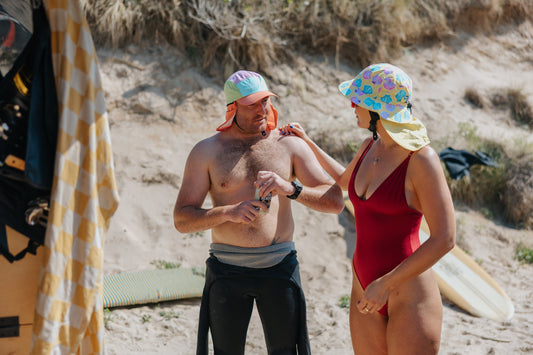
- Wear a broad-brimmed or protective hat.
- Use shade where you can.
- Wear sunglasses.
A hat is not going to solve everything. Neither is sunscreen on its own. The point is to make protection normal, wearable and easy enough that you will actually keep doing it.
The short answers
Does a tan mean sun damage?
Yes. A tan caused by UV is a sign that UV damage has occurred.
Can UV damage happen without sunburn?
Yes. Sun damage can happen before you can see a burn or tan.
When do I need sun protection?
ARPANSA advises using sun protection when the UV Index is 3 or above. Check your local UV level rather than judging it by heat, cloud or how bright the day looks.
Does wearing a hat prevent skin cancer?
No single item can make that promise. A protective hat can be one useful part of a broader sun-protection routine.
Got a sun-safety question, myth or conspiracy?
Send it to me. I am turning the best ones into future episodes of Things I Say During My Skin Checks.
Stay Safe
Grace
Sources: Cancer Council Australia: Tanning; Cancer Council Australia: Skin cancer causes and risks; ARPANSA: User guide for the UV Index meter.
This article provides general sun-safety education and is not personal medical advice. Speak with a qualified health professional about concerns or changes to your skin.